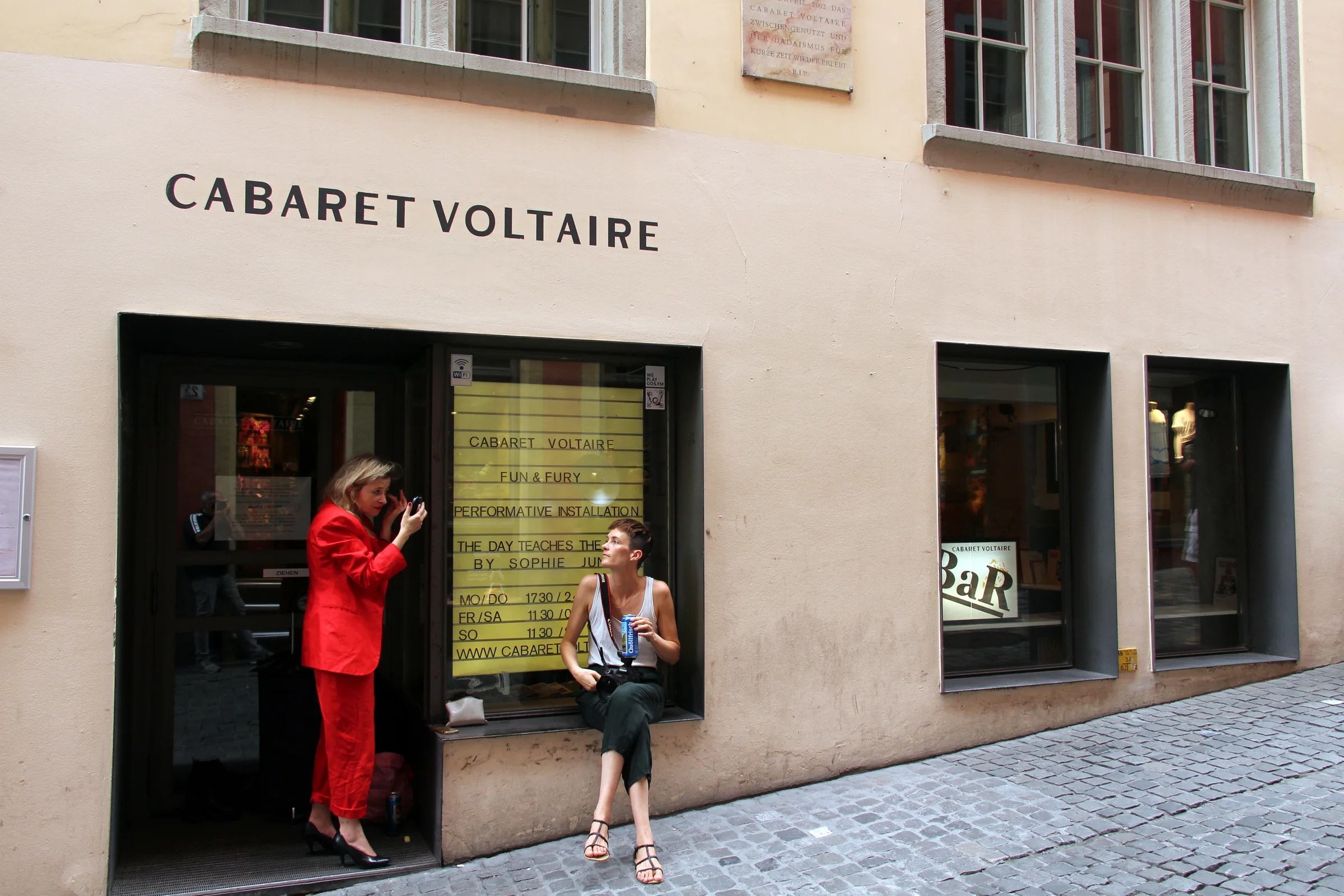
Zurich 1916: Dada and Revolution on Spiegelgasse
In wartime Zurich, Cabaret Voltaire opened at Spiegelgasse 1 while Lenin lived farther along the same street. The proximity is documented; a personal encounter is not.
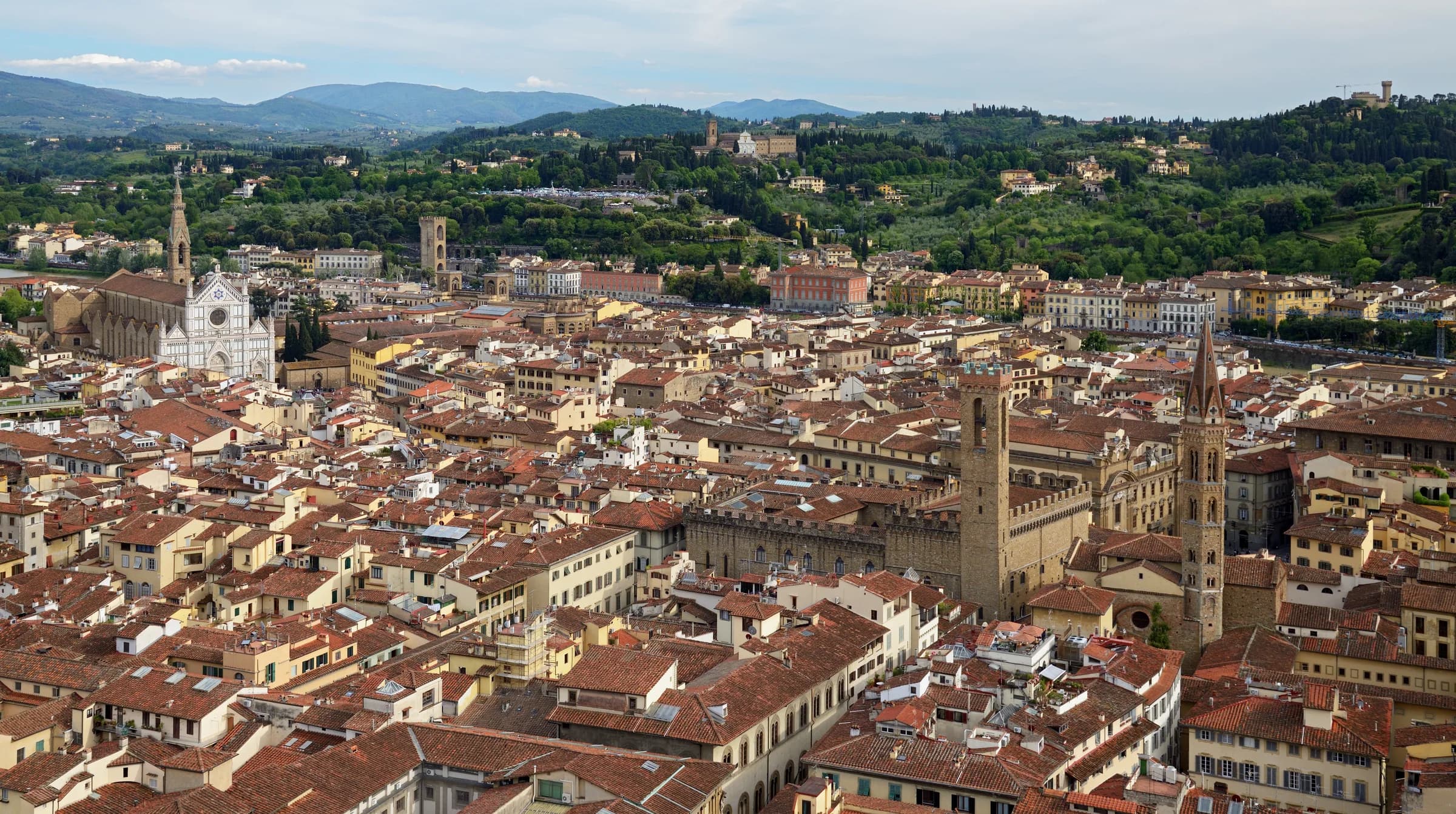
Leonardo and Michelangelo prepared rival battle compositions for Florence’s Palazzo Vecchio. Raphael arrived in the city around 1504 and studied their work; the documentary evidence supports influence, not a staged three-way contest.
In wartime Zurich, Cabaret Voltaire opened at Spiegelgasse 1 while Lenin lived farther along the same street. The proximity is documented; a personal encounter is not.
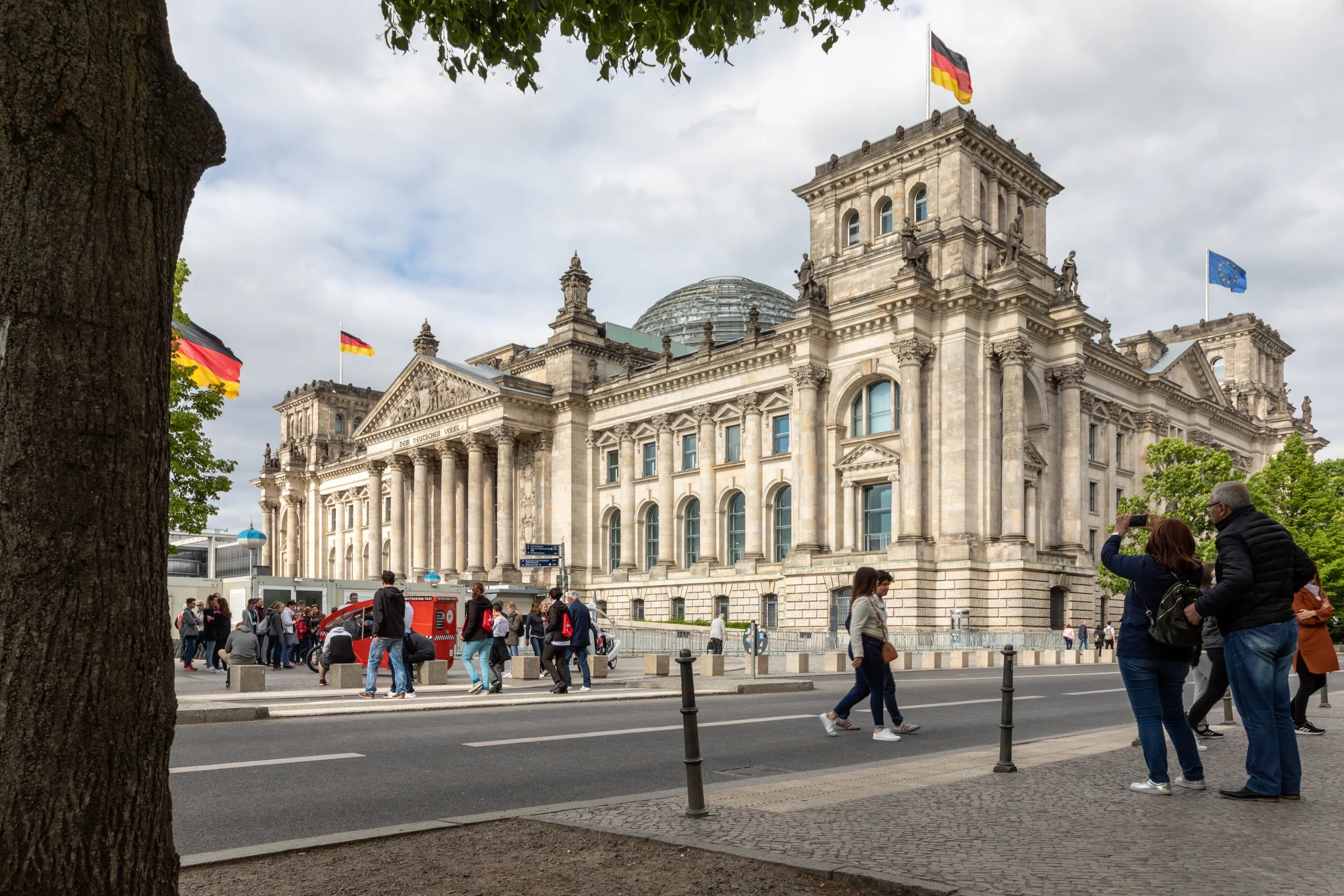
The streets around Nollendorfplatz held queer nightlife, cabaret and writers during the later Weimar years. This story stays with documented venues and addresses rather than treating all Berlin culture as one scene.
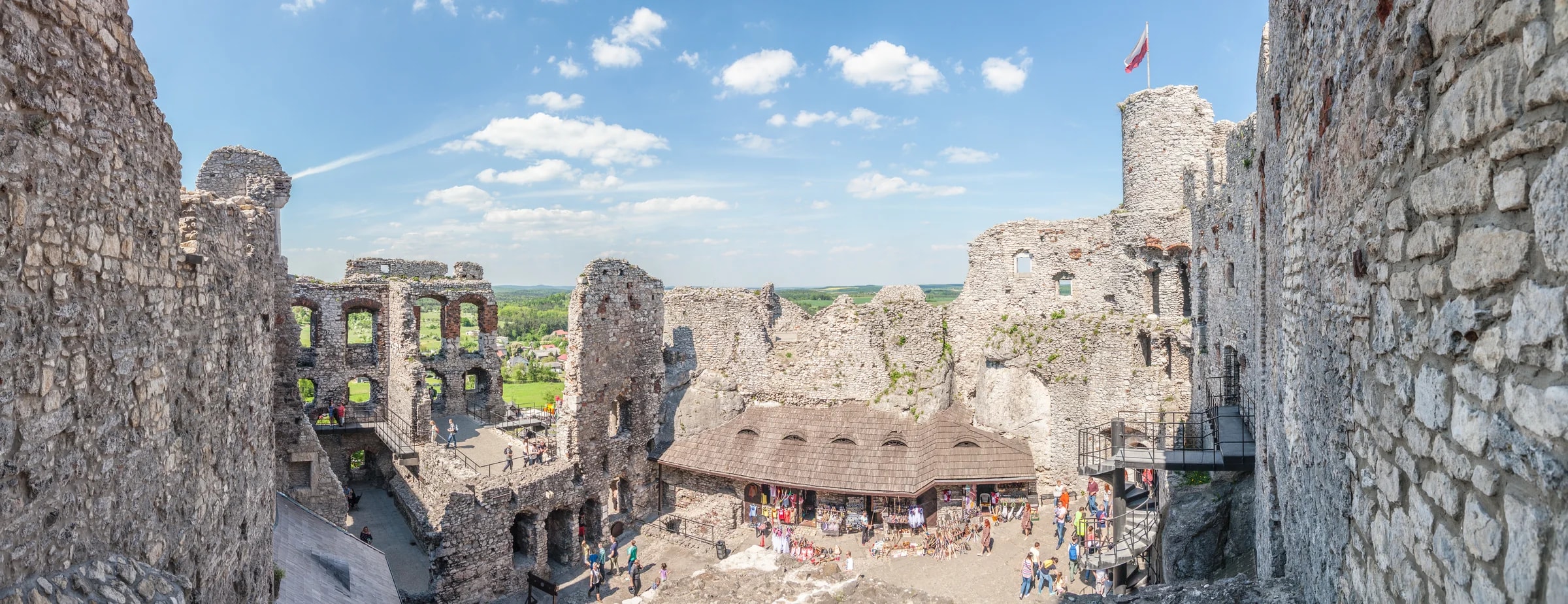
A three-day road trip down the spine of the Kraków–Częstochowa Upland. The route starts among the northern castle ruins, crosses the limestone landscape around Mirów, Bobolice and Góra Zborów, reaches the monumental ruins of Ogrodzieniec and finishes in the Prądnik Valley at Pieskowa Skała and Ojców. It is designed to make the 'Eagle Nests' idea legible as a landscape rather than as a checklist of isolated castles.
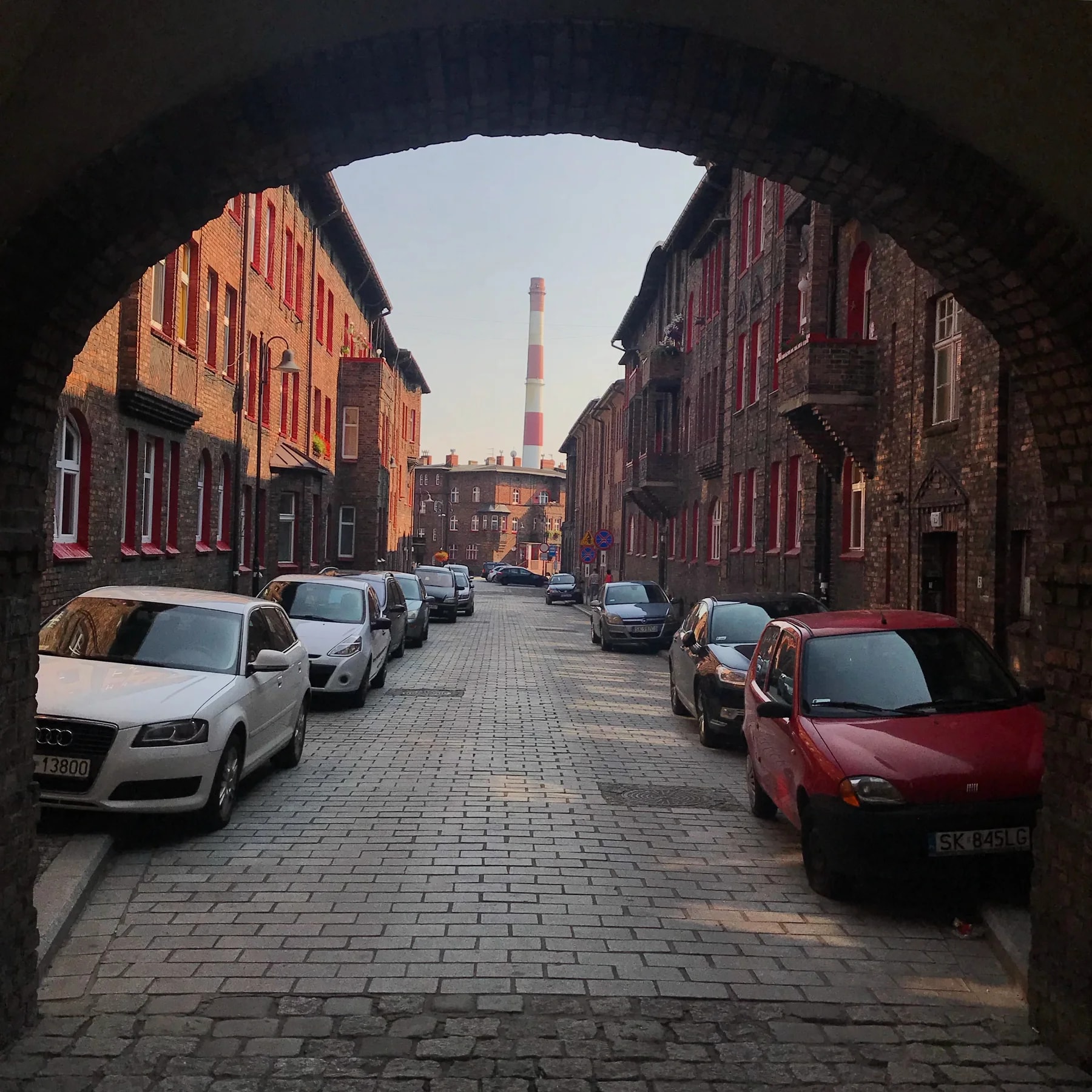
A three-day route through the industrial landscape of Upper Silesia. Day one reads Katowice through workers' housing and the post-industrial culture zone; day two goes underground in Zabrze; day three follows the older lead-silver mining and water-management system of Tarnowskie Góry. The point is not to collect industrial monuments but to see how mining shaped housing, engineering, urban form and regional identity.
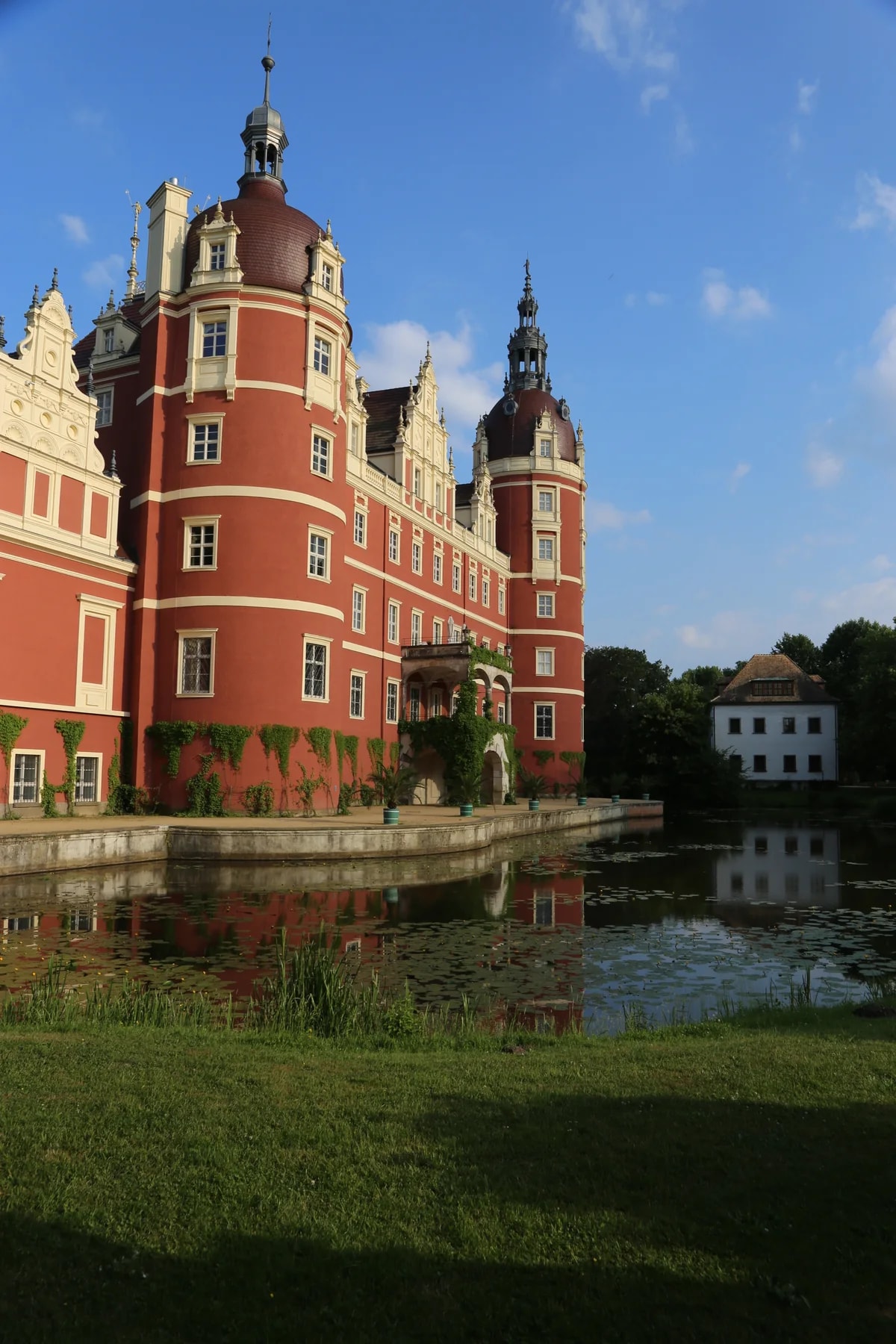
A four-day road trip built around the unusual combination that makes Lubuskie interesting: revived wine culture, lakes and forests, massive twentieth-century fortifications and a landscape shaped by the German–Polish border. The route begins in Zielona Góra and Zabór, moves north through Łagów and the Międzyrzecz Fortified Region, then stretches west to the transboundary Park Mużakowski and the destroyed old town inside Kostrzyn Fortress.

1504
Piazza della Signoria, Florence, Italy
Florence commissioned Leonardo’s Battle of Anghiari and Michelangelo’s Battle of Cascina for the great council hall in Palazzo Vecchio. Both projects are known through preparatory work rather than completed surviving murals. According to Vasari, the young Raphael came to Florence in 1504 to see the artists’ cartoons. This is the civic site that links the two commissions; Raphael’s encounter with their work is a historical account, not proof that all three met here.