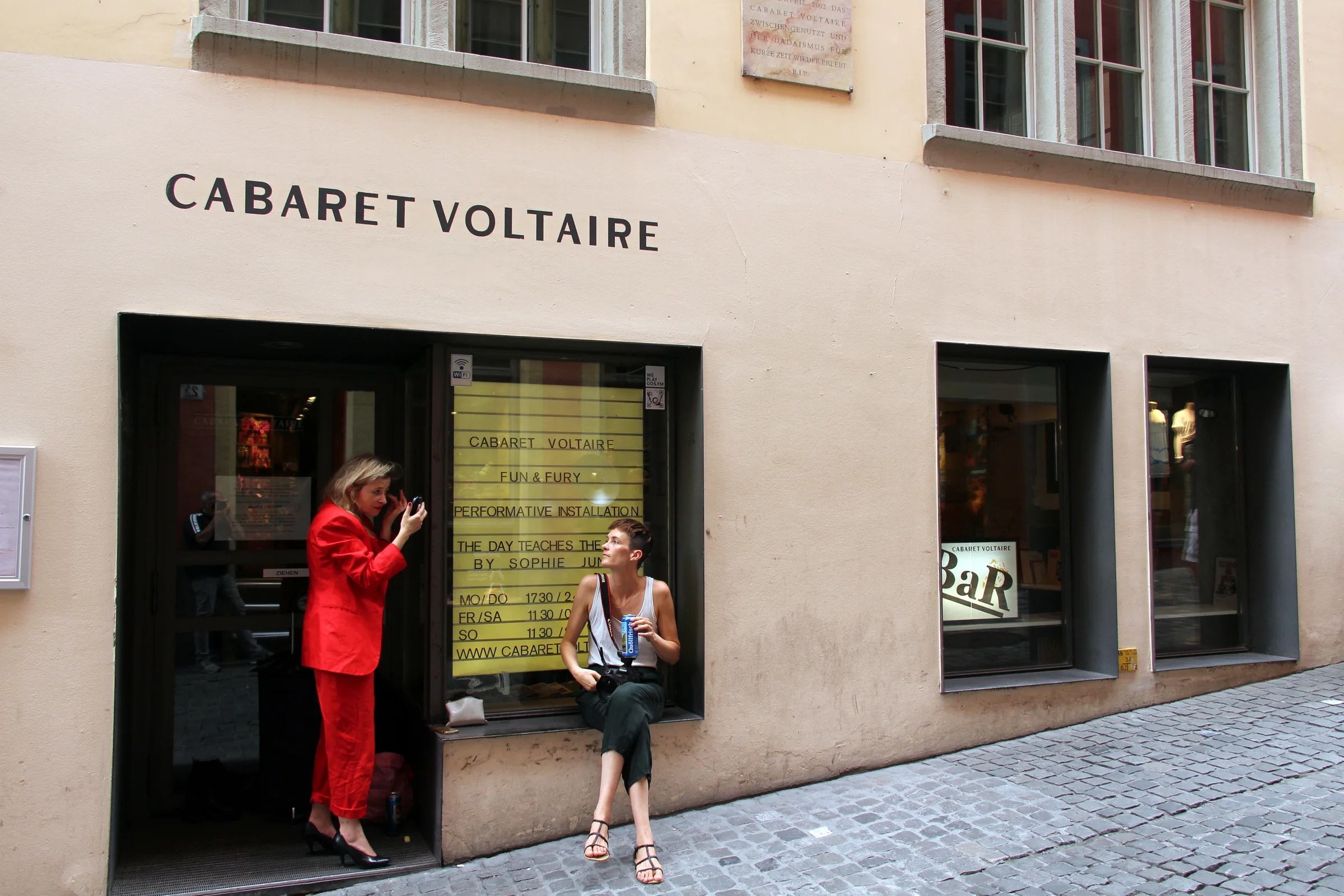
Zurich 1916: Dada and Revolution on Spiegelgasse
In wartime Zurich, Cabaret Voltaire opened at Spiegelgasse 1 while Lenin lived farther along the same street. The proximity is documented; a personal encounter is not.
The streets around Nollendorfplatz held queer nightlife, cabaret and writers during the later Weimar years. This story stays with documented venues and addresses rather than treating all Berlin culture as one scene.
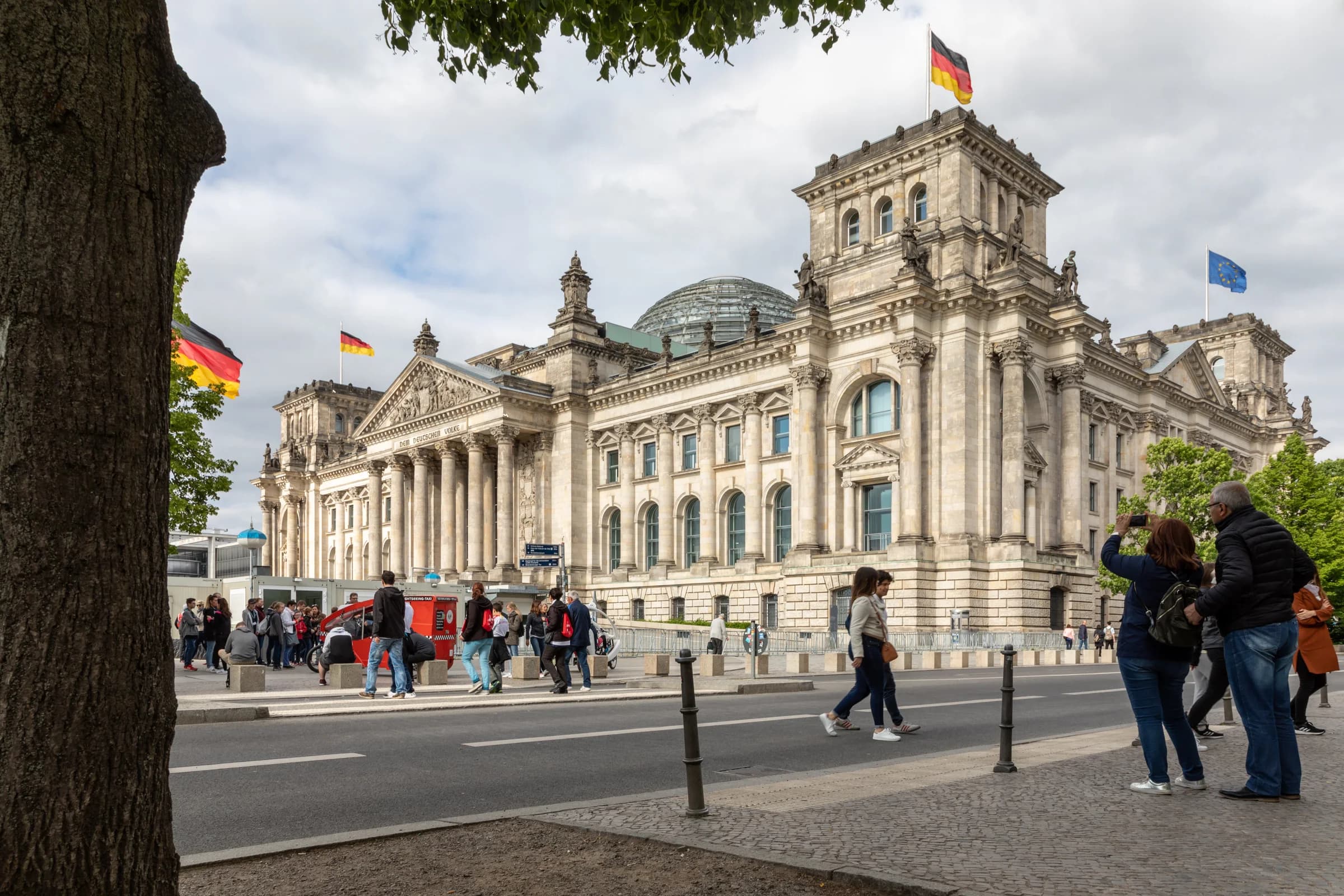
In wartime Zurich, Cabaret Voltaire opened at Spiegelgasse 1 while Lenin lived farther along the same street. The proximity is documented; a personal encounter is not.
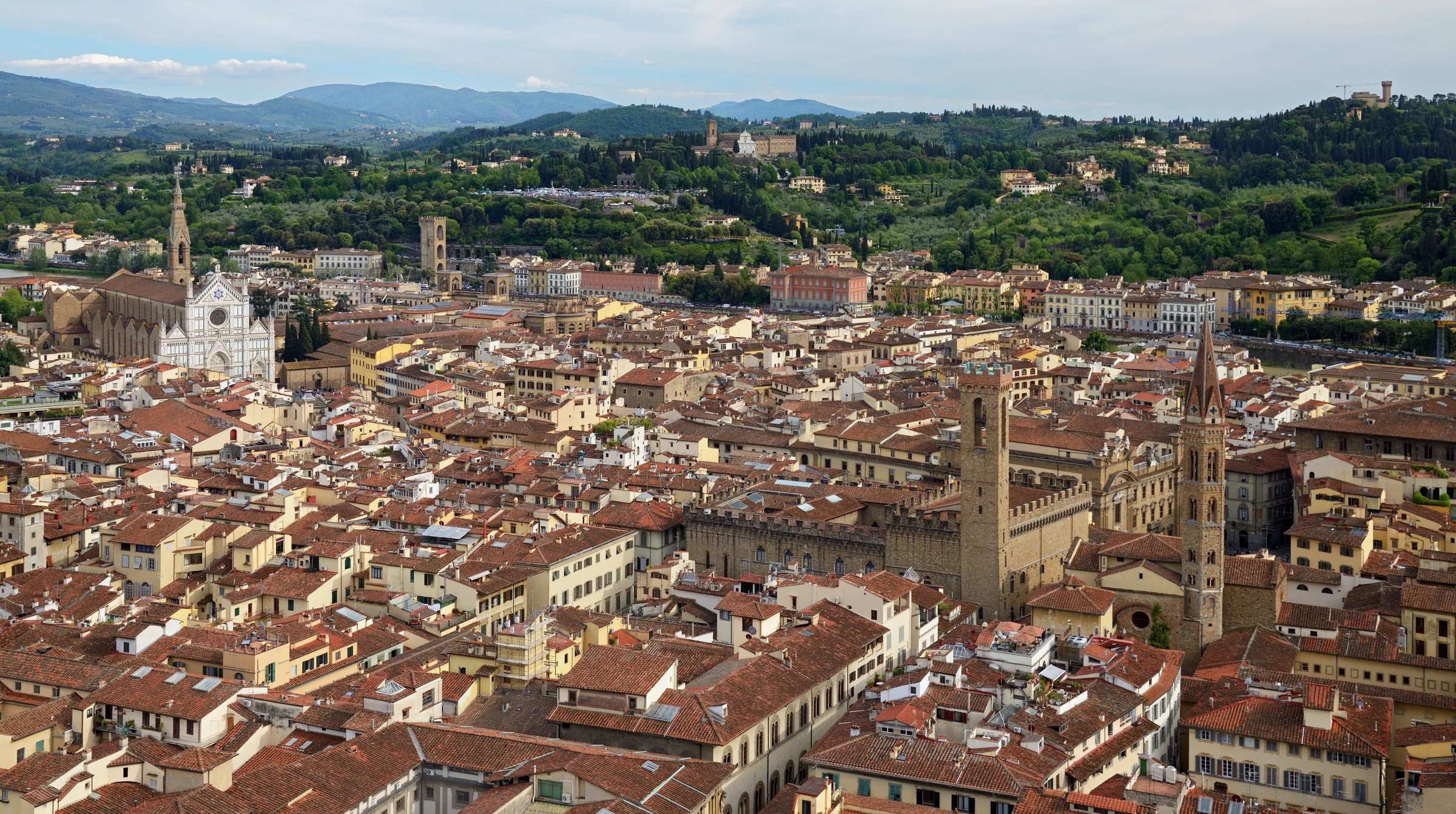
Leonardo and Michelangelo prepared rival battle compositions for Florence’s Palazzo Vecchio. Raphael arrived in the city around 1504 and studied their work; the documentary evidence supports influence, not a staged three-way contest.
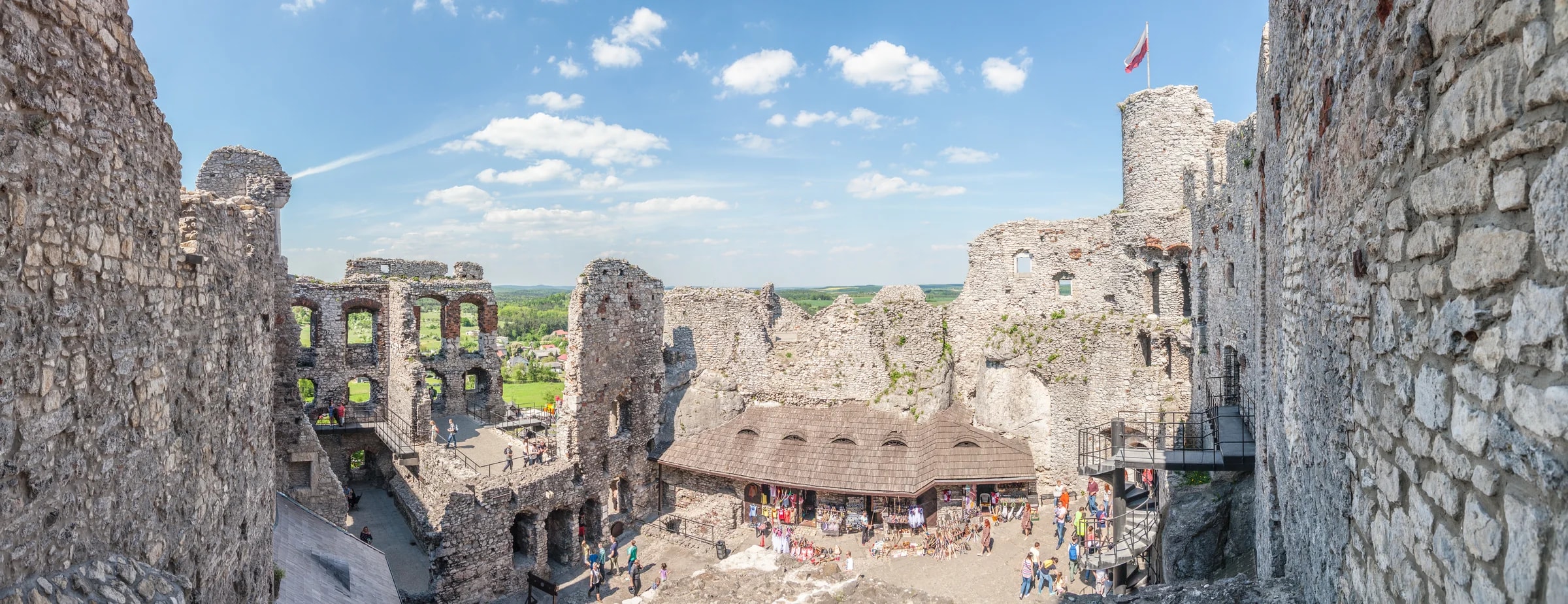
A three-day road trip down the spine of the Kraków–Częstochowa Upland. The route starts among the northern castle ruins, crosses the limestone landscape around Mirów, Bobolice and Góra Zborów, reaches the monumental ruins of Ogrodzieniec and finishes in the Prądnik Valley at Pieskowa Skała and Ojców. It is designed to make the 'Eagle Nests' idea legible as a landscape rather than as a checklist of isolated castles.
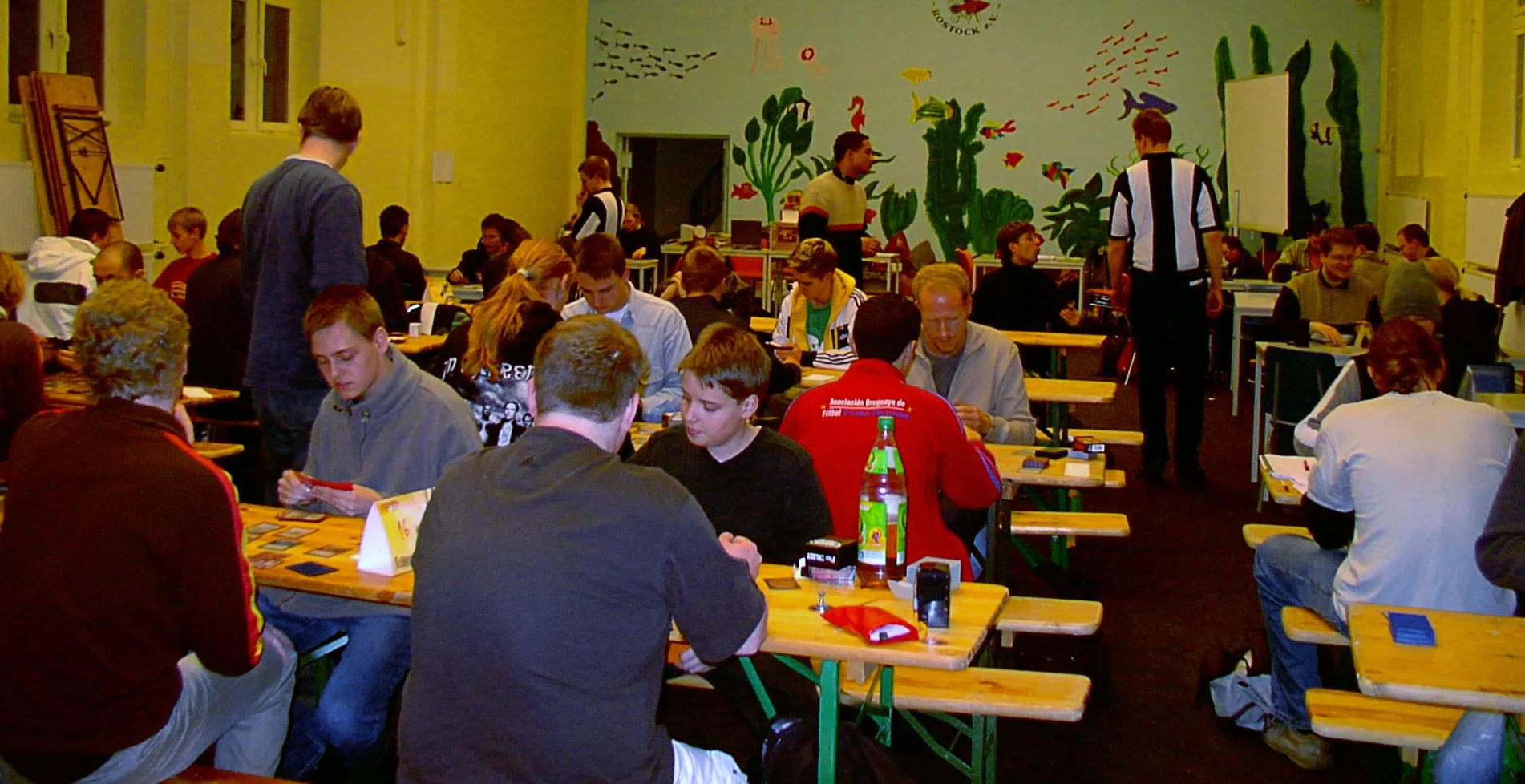
Magic: The Gathering did not begin with a mass-market launch. It spread through demos, game shops, conventions and tournaments. The first cards were demonstrated at Origins in 1993, the first sale at Gen Con sold out, and organized play soon connected local scenes across countries. This map follows some of the places where Magic changed from a strange new card game into a global culture of playing, deck building and collecting.
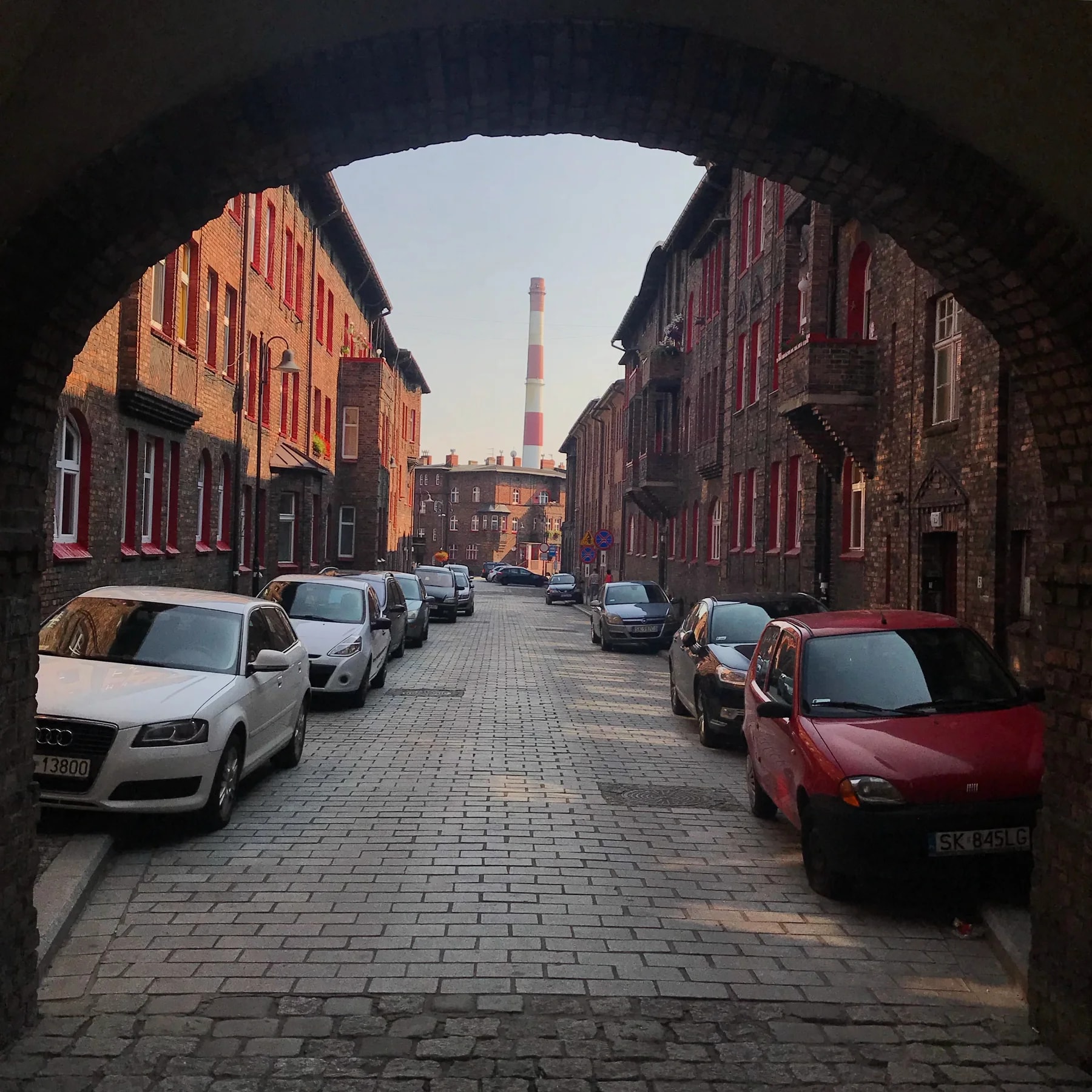
A three-day route through the industrial landscape of Upper Silesia. Day one reads Katowice through workers' housing and the post-industrial culture zone; day two goes underground in Zabrze; day three follows the older lead-silver mining and water-management system of Tarnowskie Góry. The point is not to collect industrial monuments but to see how mining shaped housing, engineering, urban form and regional identity.

late 1920s–1931
Nollendorfplatz, Berlin, Germany
VisitBerlin identifies the streets around Nollendorfplatz as a center of queer life in the late Weimar period. Christopher Isherwood lived nearby at Nollendorfstraße 17, later drawing on Berlin for his stories. The best-known Eldorado site at Motzstraße 24 belongs to 1931, after moves from earlier addresses. The square is an orientation point for the district, not the former club doorway or a claim that every artist met here.
52.4992°N · 13.3539°E